
Water Softeners and Treatment in Collegeville, PA
Collegeville is one of the few places where town water is well water. Everything about how we size a system here follows from that, whether you're on the borough supply or your own well.
What's Really in Collegeville Water
Most municipal systems in this region pull from a river. Collegeville doesn't. The Collegeville-Trappe Joint Public Works Department serves roughly 8,470 residents across both boroughs entirely from groundwater, drawing on more than a dozen wells completed in the Brunswick Formation inside the Little Perkiomen Creek watershed. That formation is red shale, sandstone, and siltstone, and water moving through it collects calcium and magnesium over a far longer contact time than any surface source allows. The practical result is that borough customers here are drinking treated well water, with the hardness profile that implies. Out past the boroughs, private wells take over completely and add iron, sediment, and bacteria to the list.
- Municipal supply drawn from more than a dozen groundwater wells
- Brunswick Formation bedrock drives hardness well above river-fed systems
- Private wells nearby add iron, sediment, and bacteria concerns
Groundwater Experts
Well-sourced water behaves differently from river supply, and sizing here starts from that difference.
UV When It's Needed
Private wells raise bacteria questions a municipal system answers for you, and UV is the answer here.
A Local Company
You get the same family-owned team from the first test to every follow-up, never a rotating cast of subcontractors.
How We Treat Collegeville Water
Same four steps whether you're near Ursinus or out toward Perkiomen. Test, design, install, support.
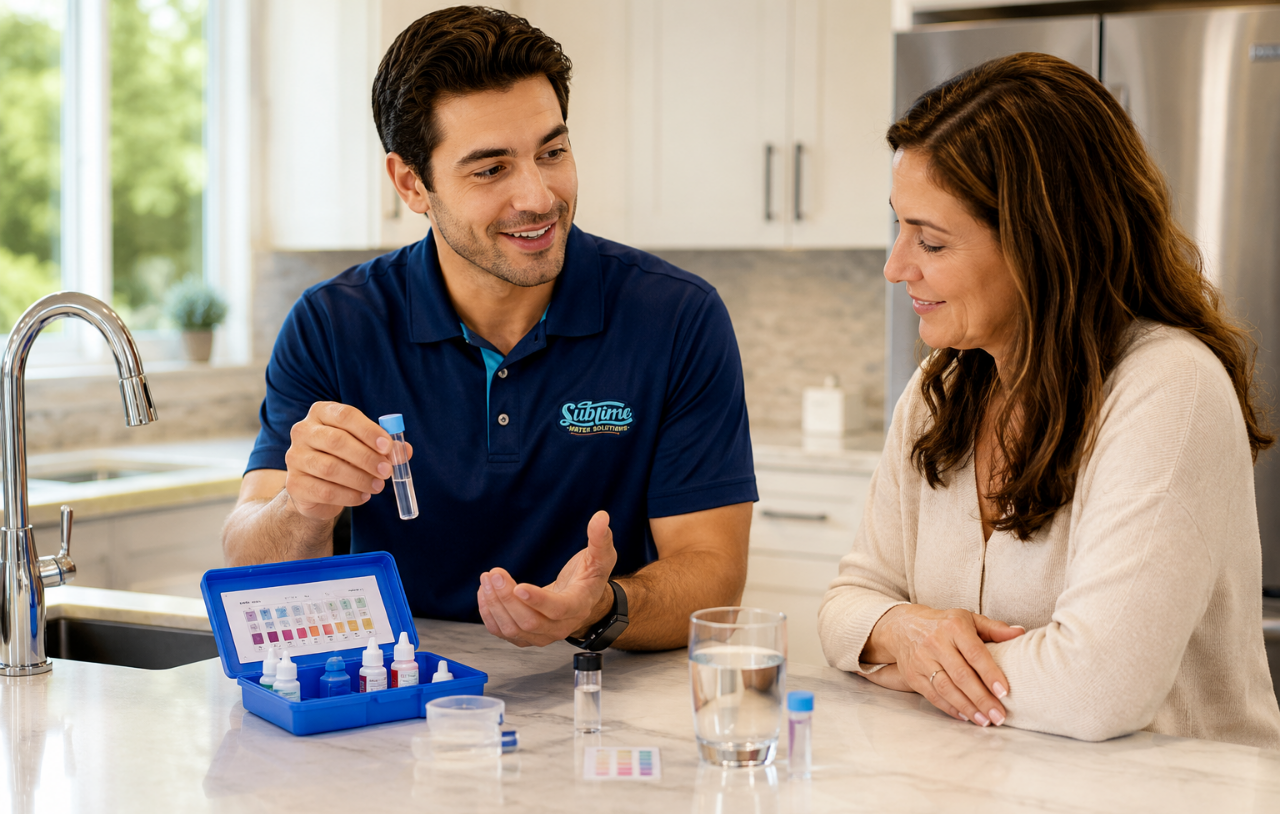
Free Water Test
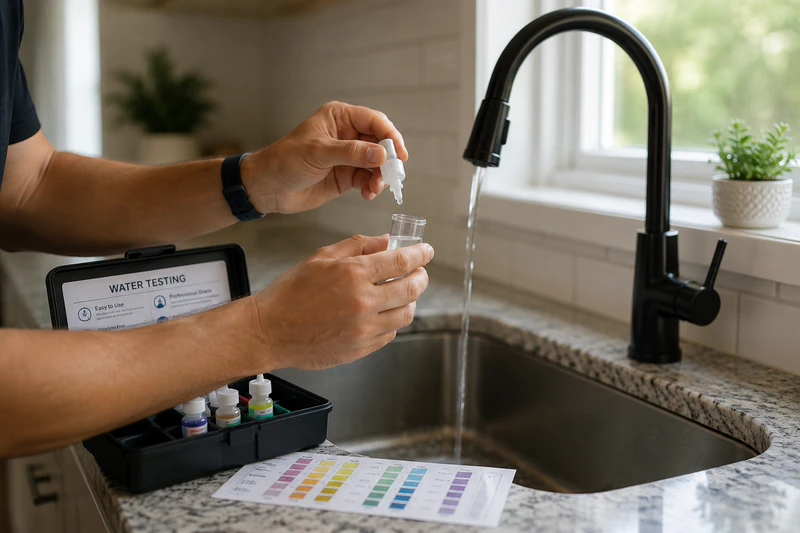
We measure your home's hardness, iron, and chemistry on-site and explain what we find.
Custom Design
We size the system to your readings and to whether you're on borough water or a well.
Clean Install
We install softeners, filtration, and UV together when the readings call for it.
Ongoing Support
We handle salt, lamp changes, service, and questions long after the install.
Water Treatment Services in Collegeville
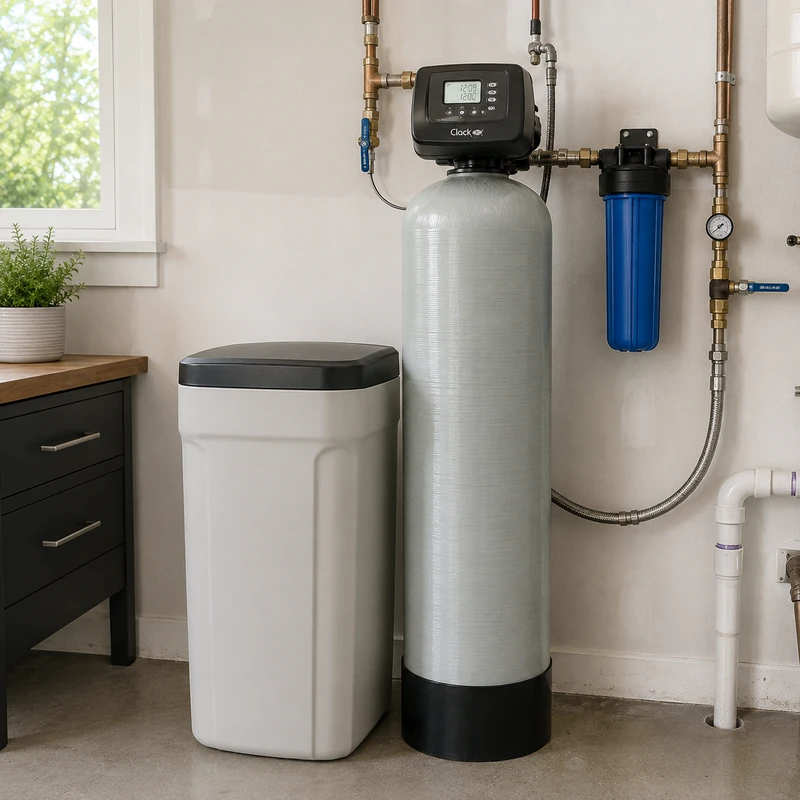
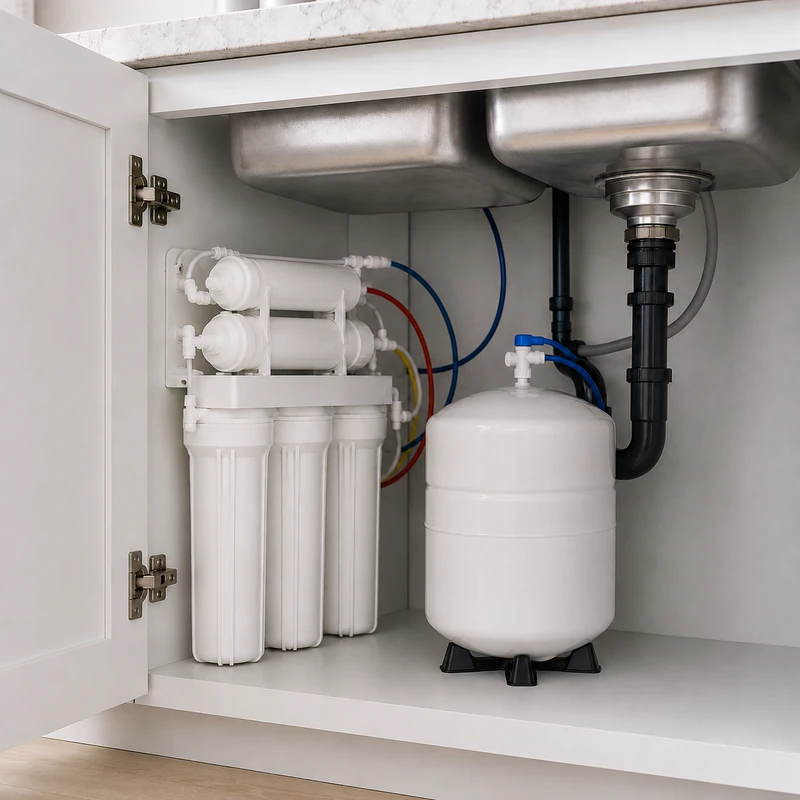
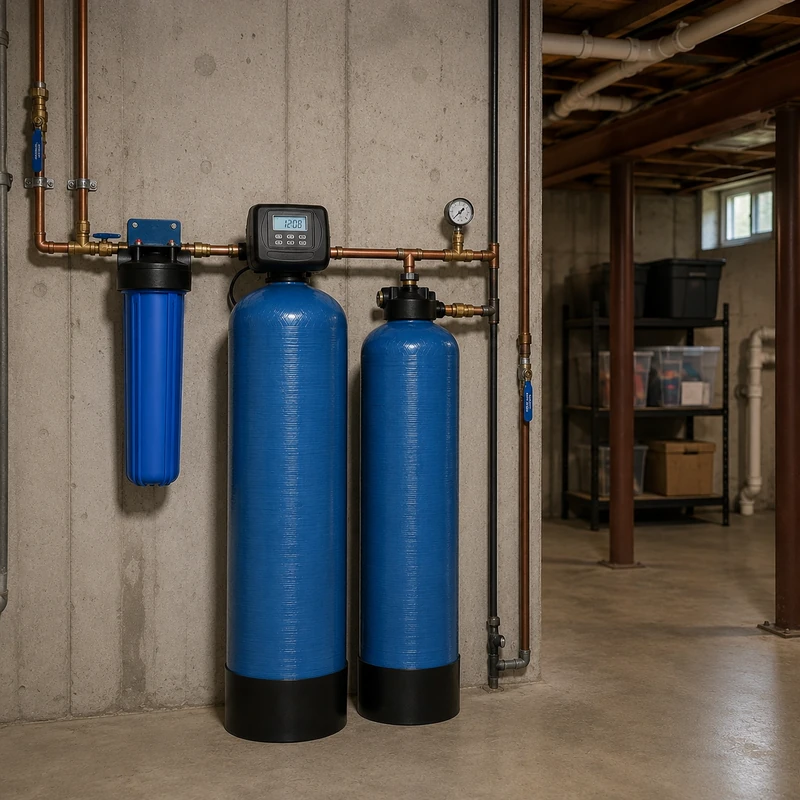
Softeners and iron filtration lead the list here, and UV comes up more often than anywhere else we work. Reverse osmosis and PFAS removal are available to Collegeville homes as well.
Collegeville Water Questions
Here's what Collegeville homeowners ask most about their water and how we handle it locally.
The Collegeville-Trappe Joint Public Works Department supplies roughly 8,470 residents across both boroughs, and it does it entirely from groundwater. The department draws from more than a dozen wells completed in the Brunswick Formation within the Little Perkiomen Creek watershed. Even on town water, you're drinking well water here.
Because it spends its life underground before it reaches you. The Brunswick Formation is red shale, sandstone, and siltstone, and groundwater moving through that rock picks up calcium and magnesium the whole way. Surface water systems never get that much contact time with mineral-bearing rock, which is why well-sourced supplies like this one run harder than river-fed ones.
A private well skips the treatment step entirely. Alongside the hardness that borough customers also deal with, you can see iron staining on fixtures and laundry, sediment, and the possibility of bacteria that no municipal system is screening out for you. That combination usually calls for filtration and UV alongside a softener rather than a softener by itself.
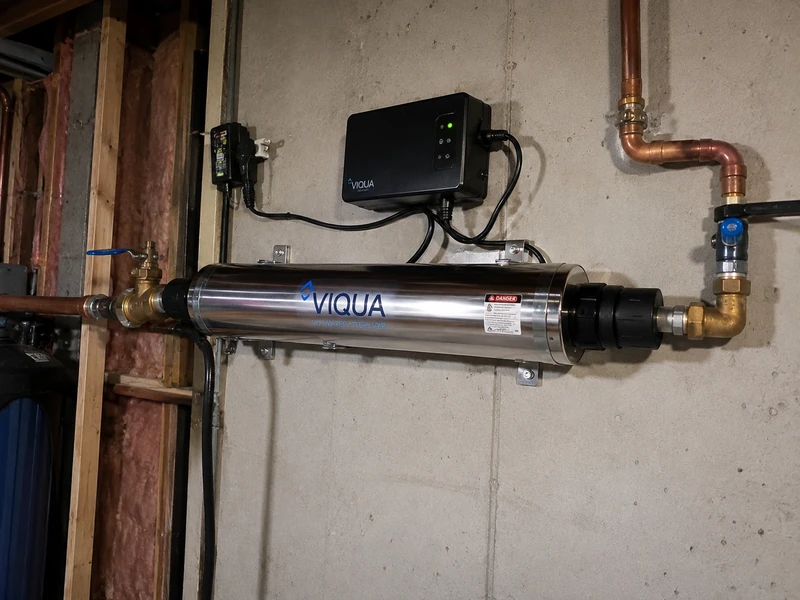
UV is what we reach for when bacteria are a concern, which is a live question on any private well and not one on a municipal supply. Ultraviolet light neutralizes bacteria and viruses as water passes through, with no chemicals added and nothing changed about the taste. It comes up far more often on this side of the county than anywhere else we work.
Yes. We cover Collegeville along with Trappe, Perkiomen Township, Skippack, Upper Providence, and the surrounding communities. Collegeville and Trappe share a water system, so the households we see in both boroughs tend to be dealing with the same readings.

See What's in Your Collegeville Water
Book a free water test and we'll measure the hardness, iron, and chemistry at your address, borough supply or private well. Clear numbers, no pressure.